
The Influence of Emotion on Game Selection
Emotions play a crucial role in the choices players make in a casino environment. When entering a casino, players often bring with them a set of feelings that can significantly influence their game selection. For instance, someone feeling excited and adventurous may gravitate towards high-energy games like slot machines or poker, while those seeking a calm experience might prefer table games such as blackjack or baccarat. This emotional backdrop not only affects initial choices but can also impact the duration of play and the willingness to take risks. Many players also look for the best poker sites for real money when transitioning to online gaming environments.
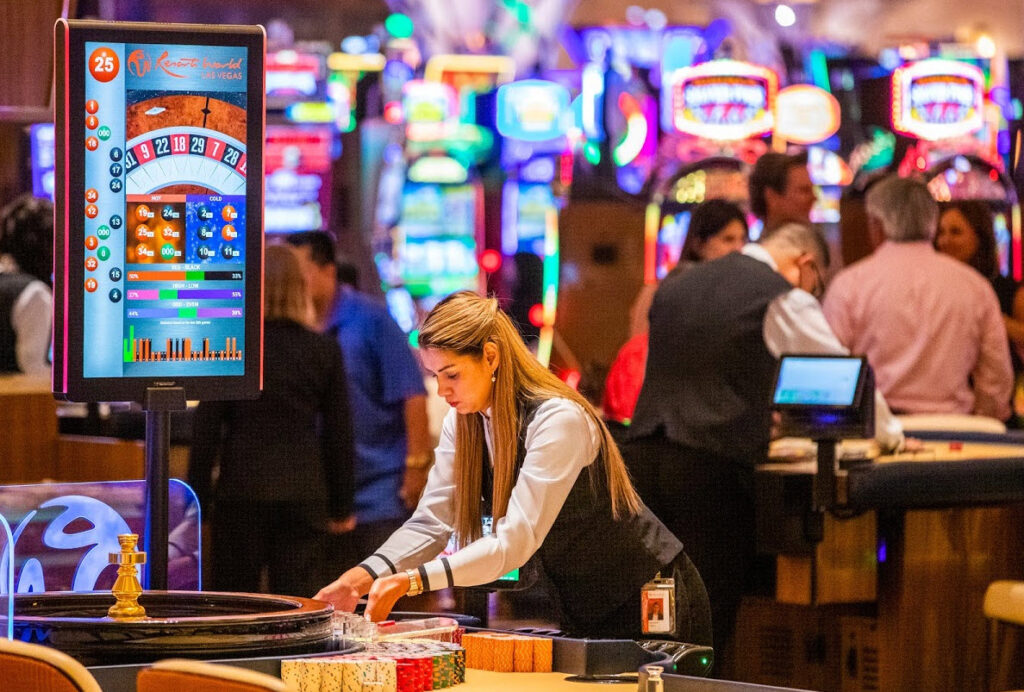
Furthermore, the atmosphere of the casino itself is carefully designed to evoke specific emotional responses. Bright lights, engaging sounds, and lively decor foster excitement and anticipation, which can lead players to opt for games that provide immediate gratification. Understanding these emotional triggers allows casinos to tailor their offerings and marketing strategies effectively to enhance player engagement and loyalty.
The Role of Cognitive Bias in Player Behavior
Cognitive biases are mental shortcuts that can shape how players perceive their odds and outcomes in casino games. One prevalent bias is the illusion of control, where players believe they can influence a game’s outcome based on their decisions or skills. This belief often leads individuals to favor games where they feel they have a greater say in the results, such as blackjack or poker, despite the inherent randomness of the games. Recognizing this bias helps explain why certain games attract specific demographics. The concept of Unknown can also shed light on such player tendencies.
Additionally, players often exhibit gambler’s fallacy, the misconception that previous outcomes affect future events in games of chance. For example, after a series of losses on a particular slot machine, a player might believe they are “due” for a win, leading them to continue playing despite mounting losses. Understanding these cognitive biases can aid casinos in crafting messages that resonate with players’ thought processes, ultimately enhancing their experiences.
The Impact of Social Dynamics in Casinos
Social interactions significantly influence casino game choices and player behavior. Many players enjoy the social aspects of gambling, often selecting games that facilitate interaction with others. Table games like poker and craps encourage camaraderie and competition among players, appealing to those who thrive on social engagement. This communal aspect can enhance the overall experience and even affect betting behaviors, as players may be more inclined to wager higher amounts in a lively atmosphere. Unknown factors often play into how these dynamics unfold.
Moreover, peer pressure can also play a role in game selection. Players often observe others’ reactions and choices, making them more likely to try new games or adopt different strategies based on the behavior of those around them. Casinos capitalize on this by creating environments that foster social connections, from group games to communal spaces designed for interaction, enhancing both player satisfaction and retention.
The Effect of Marketing and Promotions on Game Choices
Marketing strategies and promotional offerings heavily influence player choices within a casino. Advertisements that highlight bonuses, jackpots, and competitive advantages can attract players to specific games. Promotions, such as free spins or tournaments, often serve as incentives, swaying players toward certain options that they might not typically consider. This tactic not only drives engagement but also creates excitement around specific games.
Additionally, targeted marketing based on player behavior and preferences can lead to more personalized experiences. By analyzing player data, casinos can offer customized promotions that resonate with individual preferences, further enhancing the allure of specific games. This tailored approach not only influences immediate game choice but also builds long-term loyalty among players.

Conclusion: The Role of Security in Online Gaming Environments
In the evolving landscape of online casinos, the importance of security cannot be overstated. Players seek not only engaging experiences but also assurance that their personal information and financial transactions are protected. A secure platform fosters trust, which is essential for retaining players and encouraging them to explore various games without fear of compromise.
Ultimately, the intersection of psychology and security in gaming highlights the importance of creating a safe and enjoyable environment. By ensuring robust protection against online threats, casinos can enhance player experiences and bolster their loyalty, leading to successful engagement in a competitive market.